The first thing you notice about Tatu City is the air. It’s cleaner, quieter and somehow different from the rest of Nairobi.
During my recent tour of the master planned community, this sense of deliberate planning becomes evident, from the smooth paved roads to the Mugumo Tree Heritage Park, where indigenous fig trees stand as living monuments to Kenya’s rich cultural heritage.
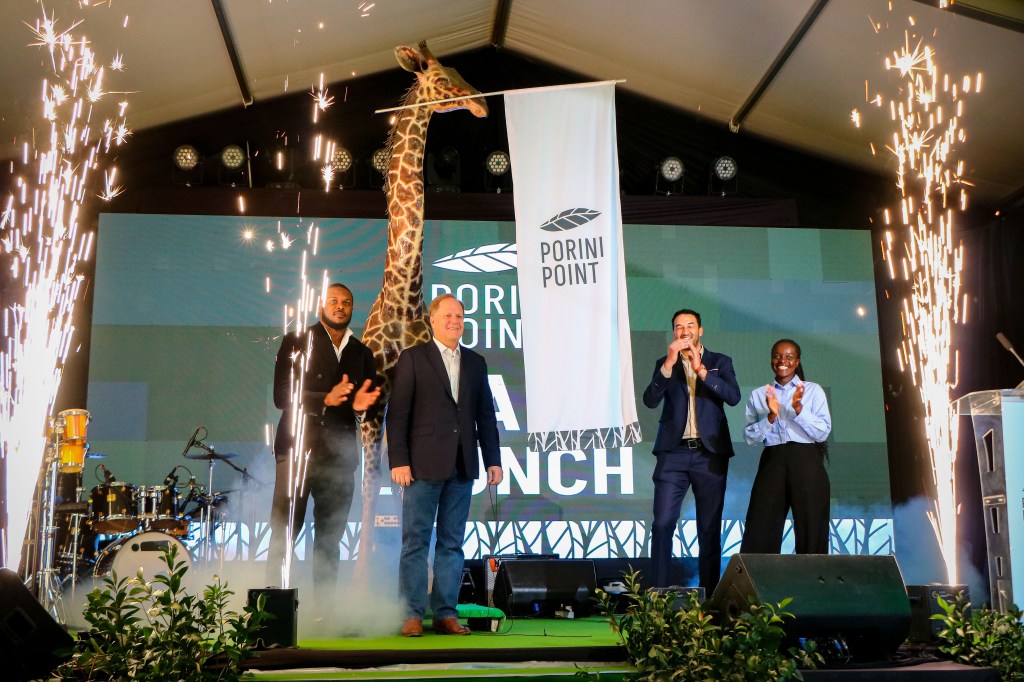
It’s here that Tatu City has unveiled Porini Point, a new residential development featuring 24 buildings with 570 apartments as the master planned community celebrates 15 years of transforming urban living.
Located next to the planned 160 acre Tatu Wildlife Sanctuary, Porini Point offers prospective homeowners an opportunity to live alongside one of Kenya’s most ambitious conservation projects, with one bedroom units starting at 7.5 million shillings.

The development spans a total built up area of 58,000 square metres and features one, two and three bedroom apartments ranging from 54 to 145 square metres.
The first phase is expected to be complete by the first quarter of 2027, with the entire development scheduled for completion by September 2029.
Stephen Mwirigi, Real Estate Advisor at Tatu City, emphasized the cultural dimension of the project. “The offerings within the animal sanctuary align with aspects of our culture,” he said. “We will have a cultural centre and museum within the sanctuary, elements we’ve drawn from the surrounding community. It creates a sense of ownership for everyone who comes to this project.”
This cultural commitment is evident in the Mugumo Tree Heritage Park, where sacred fig trees deeply revered in Kikuyu tradition for ancestral connection, have been carefully preserved within the development. Recently, an iconic Mugumo tree sculpture was also unveiled at Tatu Central, reinforcing Tatu City’s commitment to honouring its heritage while embracing sustainable urban growth.
“Porini Point is designed to give people more: more space, more greenery and more convenience,” said Preston Mendenhall, Group COO and Country Head, Kenya, at Rendeavour, the owner and developer of Tatu City. “At an accessible price for families and savvy investors, Porini Point is a place where you can slow down, reconnect and still be steps away from schools, healthcare, retail, parks and infrastructure that always works.”
The promise of reliable infrastructure is backed by measurable results. Tatu City maintains 99.7 percent power uptime and 24/7 potable water supply across its 70 kilometres of paved roads. During my site tour, these infrastructure investments were evident, from the quality of road surfaces to the functioning street lighting.
The city’s population has crossed 6,000 residents, with over 25,000 people living, working or visiting daily. In 15 years, Tatu City has evolved from open land into an ecosystem integrating residential, commercial and conservation areas.
Investment figures reflect this growth. Tatu City has attracted over 3 billion dollars in investment, with an additional 2.2 billion dollars in the pipeline
Construction of Porini Point will generate approximately 500 direct jobs and 1,500 indirect positions, with additional opportunities in property management and hospitality once residents move in.
The launch event featured performances by Kora Award winning Burundian-Kenyan artist Kidum and Homeboyz Entertainment founder DJ John Rabar.
As Nairobi expands, Tatu City’s model of integrating affordable housing with environmental stewardship offers an alternative to conventional urban developments.
 MzuQa
MzuQa 
Leave a comment